Tropical: A Handwritten Font with Timeless Elegance
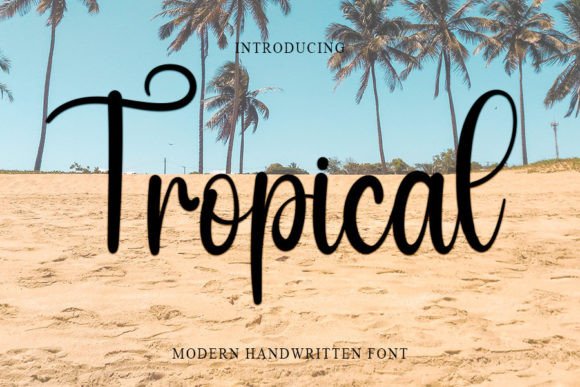
Tropical is a handwritten font that stands out for its unique blend of elegance and charm. Designed with a distinct, artistic touch, it offers a visual experience that feels both modern and classic. Its fluid lines and organic curves make it ideal for a wide range of creative projects, from branding to personal design work. Whether you're looking to add a personal flair to your website or create eye-catching signage, Tropical can elevate your design with its refined aesthetic.
What Makes Tropical Stand Out?
Tropical is more than just another handwritten font—it's a carefully crafted style that balances creativity with readability. The font features a natural, flowing script that mimics the hand-drawn strokes of a skilled writer. Each letter is designed with subtle variations in weight and spacing, giving it a sense of movement and character. This attention to detail ensures that the font remains legible even at smaller sizes, making it versatile for different applications.
One of the key strengths of Tropical is its ability to convey warmth and personality. Unlike many other fonts that feel sterile or overly formal, Tropical brings a sense of intimacy and authenticity to any project. Its soft, rounded edges and gentle transitions between letters give it a friendly, approachable vibe that resonates with a broad audience.
Comparing Tropical with Similar Options
When evaluating fonts like Tropical, it's important to consider how they stack up against other popular handwritten styles. While there are many options available, each has its own strengths and limitations. For instance, fonts such as Bauhaus 93 or Playfair Display offer a more structured, serif-based look, which may not suit all creative needs. In contrast, Tropical's casual, free-flowing nature makes it better suited for designs that require a more personal and expressive feel.
Another common alternative is the Script category, which includes fonts like Dynalight or Great Vibes. These fonts often emphasize bold, dramatic strokes and can be visually striking. However, they may lack the subtlety and refinement that Tropical provides. For designers who want a balance between expressiveness and clarity, Tropical is an excellent choice.
It's also worth considering the context in which the font will be used. For example, if you're designing a logo or brand identity, a more stylized font might be appropriate. But if your goal is to create a sense of warmth and connection, Tropical's gentle, inviting style can make a significant difference.
Strengths and Limitations of Tropical
Tropical excels in scenarios where a personal, artistic touch is desired. It works particularly well in print materials such as invitations, greeting cards, and posters. Its elegant design also lends itself to digital use, including social media graphics, web banners, and email marketing campaigns. The font's versatility means it can adapt to various formats without losing its distinctive character.
However, like any font, Tropical has its limitations. One potential drawback is its legibility at very small sizes. While it remains readable in most standard contexts, it may not be the best choice for body text in longer documents. Additionally, because it's a handwritten font, it may not be suitable for all professional or formal settings. In environments where clarity and professionalism are paramount, a more traditional typeface might be preferable.
Despite these considerations, the strengths of Tropical often outweigh its limitations. Its ability to convey emotion and personality makes it a valuable asset for designers looking to create visually engaging content.
When to Choose Tropical and When to Look for Alternatives
Tropical is an ideal choice when you want to add a touch of individuality and artistry to your designs. It’s especially well-suited for projects that benefit from a warm, inviting tone—such as wedding invitations, product packaging, or promotional materials. If your goal is to create a memorable visual impact, Tropical can help you achieve that with its distinctive style.
On the other hand, if you're working on a project that requires a more structured or formal appearance, you may want to explore other font options. For example, sans-serif fonts like Arial or Helvetica offer a clean, modern look that is often preferred in corporate or academic settings. Similarly, serif fonts like Times New Roman or Georgia provide a classic, authoritative feel that may be more appropriate for certain types of communication.
Ultimately, the decision to use Tropical depends on the specific needs of your project. By understanding the strengths and limitations of the font, you can make an informed choice that aligns with your creative goals.
Practical Examples of Using Tropical
To better understand how Tropical can be applied in real-world scenarios, let's consider a few practical examples:
- Wedding Invitations: Tropical’s elegant, handwritten style can add a romantic and personal touch to wedding invites, making them feel more intimate and heartfelt.
- Brand Identity: Companies that value a creative, artisanal approach may find Tropical to be a great fit for their logo or branding materials.
- Social Media Graphics: The font’s visual appeal makes it perfect for creating eye-catching posts, stories, or ads that stand out in a crowded digital space.
- Product Packaging: Tropical can enhance the aesthetic of product packaging, helping to create a more appealing and memorable unboxing experience.
In each of these cases, the font’s unique characteristics contribute to the overall design, helping to communicate the intended message with both style and substance.
Making an Informed Decision
Choosing the right font for your project involves more than just aesthetics—it also requires careful consideration of functionality, context, and audience. While Tropical offers a beautiful and expressive option, it's important to evaluate whether it aligns with your specific needs. By comparing it with other fonts and assessing its suitability for your intended use, you can make a more informed decision that supports your creative vision.
Remember, the goal is not to find the "perfect" font, but rather the one that best serves your purpose. Whether you choose Tropical or another option, the key is to select a font that enhances your message and strengthens your design.